The 30-Second Bowhunting Check Before You Decide to Shoot
A Thoughtful Approach, to Bowhunting Decisions
Bowhunting demands. A calm mind. Before you take any shot especially if the animal is within range but the angle, your anchor point or the background looks off pause and think. The excitement of the moment can be strong. Staying disciplined in these times helps you avoid errors. Creating a thought process around shot selection means you can stand by your decisions both during and after the hunt.
Define Your No-Shot Criteria in Advance
The best way to handle questions in the field is to decide your no-shot rules of time. Figure out what conditions must be met before you release the arrow: a view of the area a stable stance, a known distance, a background that's open and free from obstructions and enough time to draw and aim carefully. If any of these are missing the answer must be no-even if the animal is right in front of you.
When looking at the angle remember how it changes how the arrow travels. Broadside or quartering-away shots are usually safer and more effective than quartering-toward angles. Also things like brush, an animal moving or even people nearby can turn what seems like a shot into an one.
Your range isn't about how the animal's on your sight. It's really about your ability, your bows performance and the conditions at that moment. Things like wind, uneven ground, fading light or a higher heart rate can all affect your accuracy. So set a distance limit based on your practice days not your performances in conditions.
Ensure a Clear Path for Your Arrow
It's important to have a path for the arrow to follow. A gap might look open. You should mentally trace the path of the arrow from bow to target. Even small branches or thin leaves can deflect your arrow. What seems like an area might have hidden obstacles when viewed from your position. If you can't see the flight path clearly wait for a chance. Walk away.
Don't expect things to improve on their own. The animal might. Step behind cover, which could seem like an angle. It might also decide to move. Patience is important. Set a limit: if the animal goes into cover crosses a boundary or becomes difficult to identify stop considering that shot.
Also pay attention to whats behind the animal. Know the terrain and surroundings for any risks-such as properties or unseen hunters. Missing the target or an arrow passing through could cause harm.
Conduct a Thorough Inspection Pre-Hunt
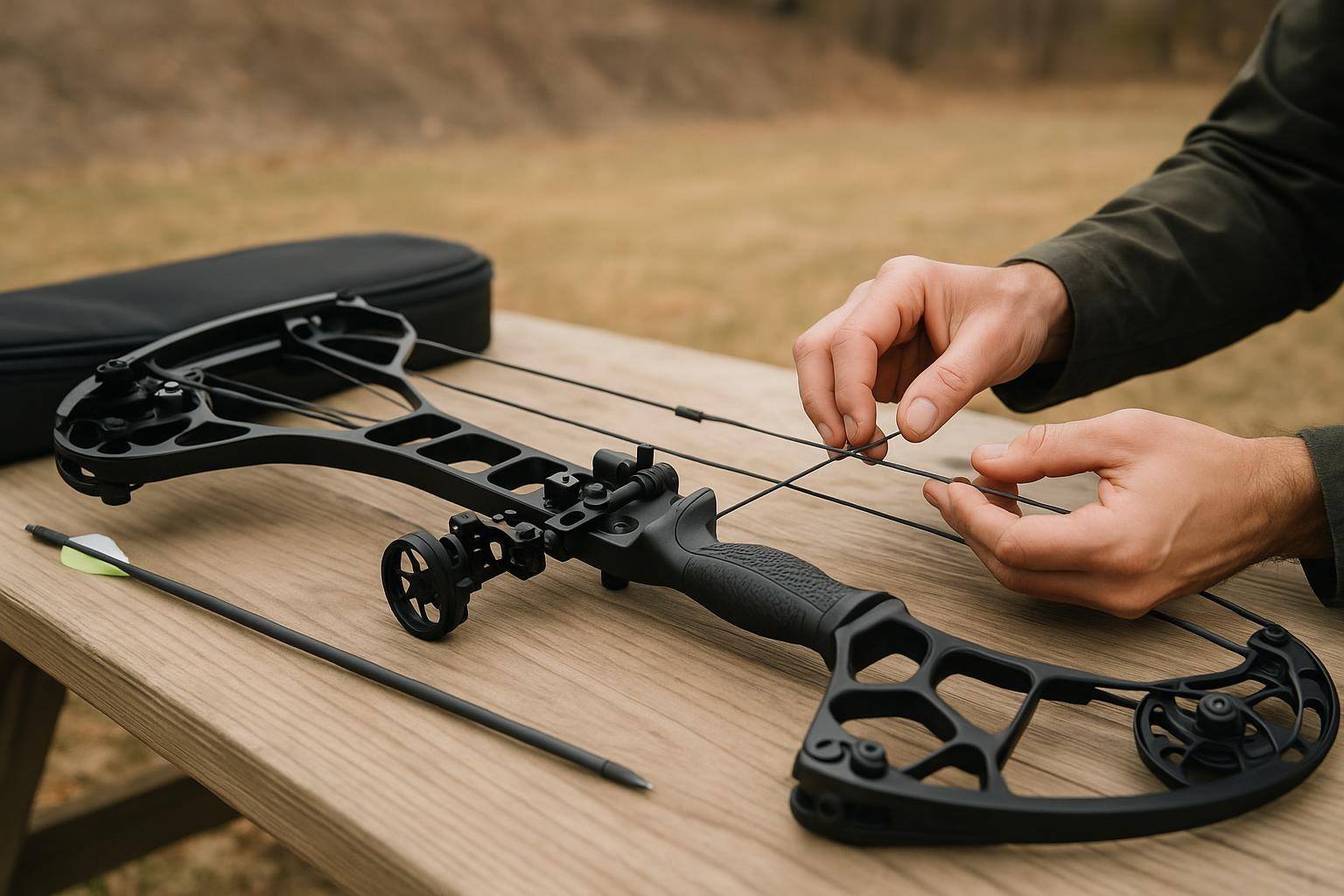
Before you go out take time to carefully inspect your bow. This should not be a check. Look at every part: the limbs, riser, cams or wheels, strings, cables, nocking point, rest and sight. Check for signs of wear like strings, loose parts, deep scratches or strange noises. If anything looks wrong don't shoot until you understand the problem and fix it.
Check each arrow individually. Roll each shaft on a surface to look for bends, cracks or damaged nocks. Make sure the inserts and points are tight the fletching is intact. Each arrow fits your setup. A damaged arrow can fly poorly. May even be dangerous.
Do a check again at your hunting spot. Conditions during transport, weather or contact with your stand can change things. If you need to adjust follow the manufacturers instructions. Talk to a technician. Never try to fix things on your own without knowledge.
Understand the Rules of the Area and Season
Before you head out know the rules for your hunt. These vary by location the animal you're hunting the season the type of weapon you're using and even the rules of the land. Always check your license tags allowed, shooting hours, equipment rules, broadhead requirements, hunter education, baiting laws, access permissions and recovery rules. Rules can change often so relying on years memory might lead to mistakes.
Keep your permit information with you. If anything is unclear contact the wildlife agency. Check their information. Don't trust advice from a store clerk, a friend or an old summary-use the source.
Ethics in hunting go beyond legality. Just because a distance is allowed doesn't mean you can make that shot confidently. A legal angle could still be unsafe if the background is messy. Treat the law as the base standard. Set your expectations based on your skill and the situation.
Transform Hesitation into a Learning Opportunity
Recognizing a missed shot opportunity can help you grow without making excuses. Write down why you held back: distance, ground, blocked view, shaky anchor, animal movement or confusion, about rules. This reflection should guide your training. Vague feelings of being unprepared won't help you improve.
Practice making decisions much as you practice your release. At the range try distances and stances within your limits. Add pauses before drawing your bow. Work with a practice partner who can call out situations-like a deer stepping into cover or a sudden wind gust. This helps build real-world readiness.
Copyright © 2026 - bullmtnarchery.com. All Rights Reserved.